English every day
English at our kindergarten
English classes run every single day, adapted to how old the children are.
Years of experience with preschool children have taught us that the best time to start learning a foreign language is at the age of three. Good attention depends on inner motivation, and in children it is sparked by lively, physical and vocal animation of the content — that is the core of how we work.
Our approach is designed to keep encouraging every child to take an active part. English is present every day, in regular activities and in ordinary conversation.
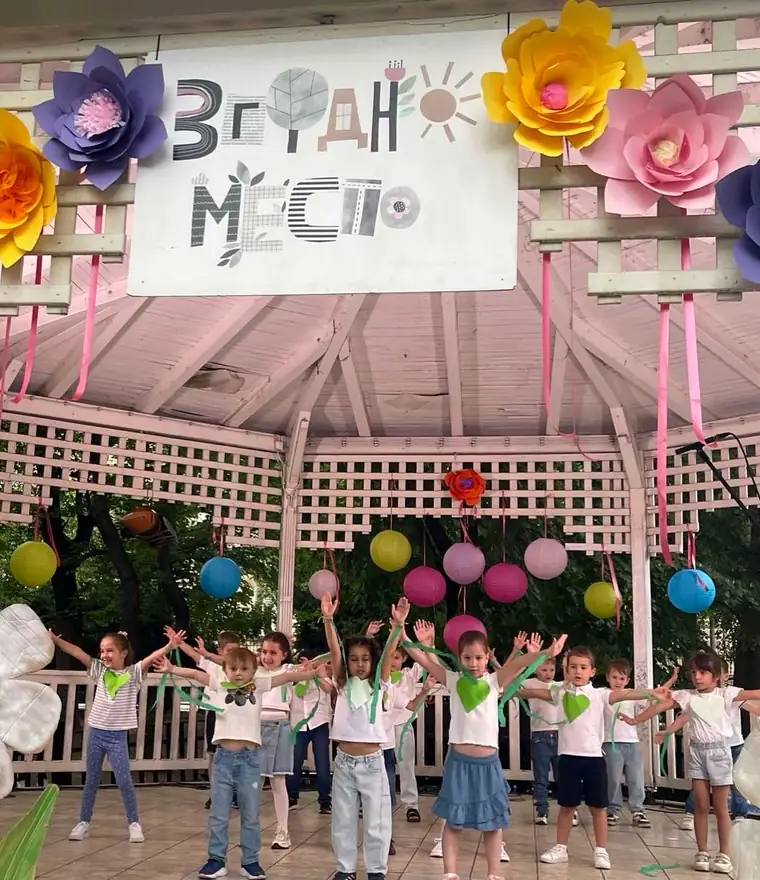
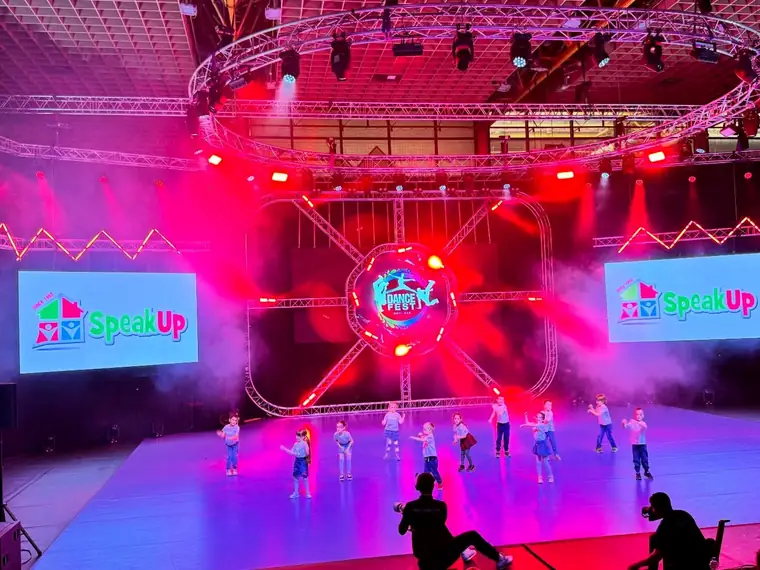
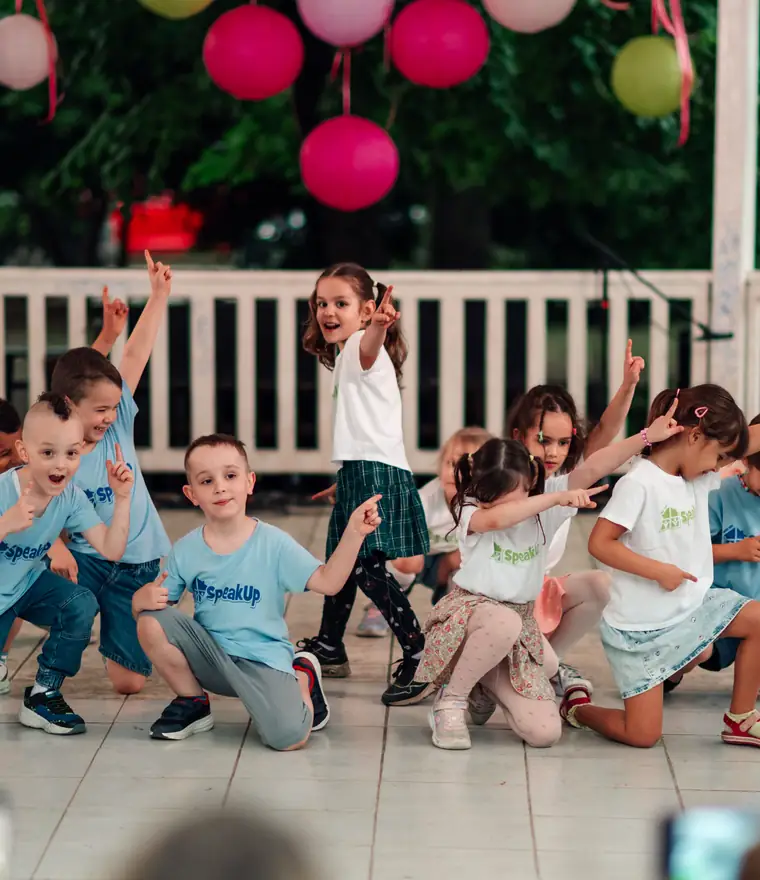
Through play, song and movement, English comes easily — any child can do it.
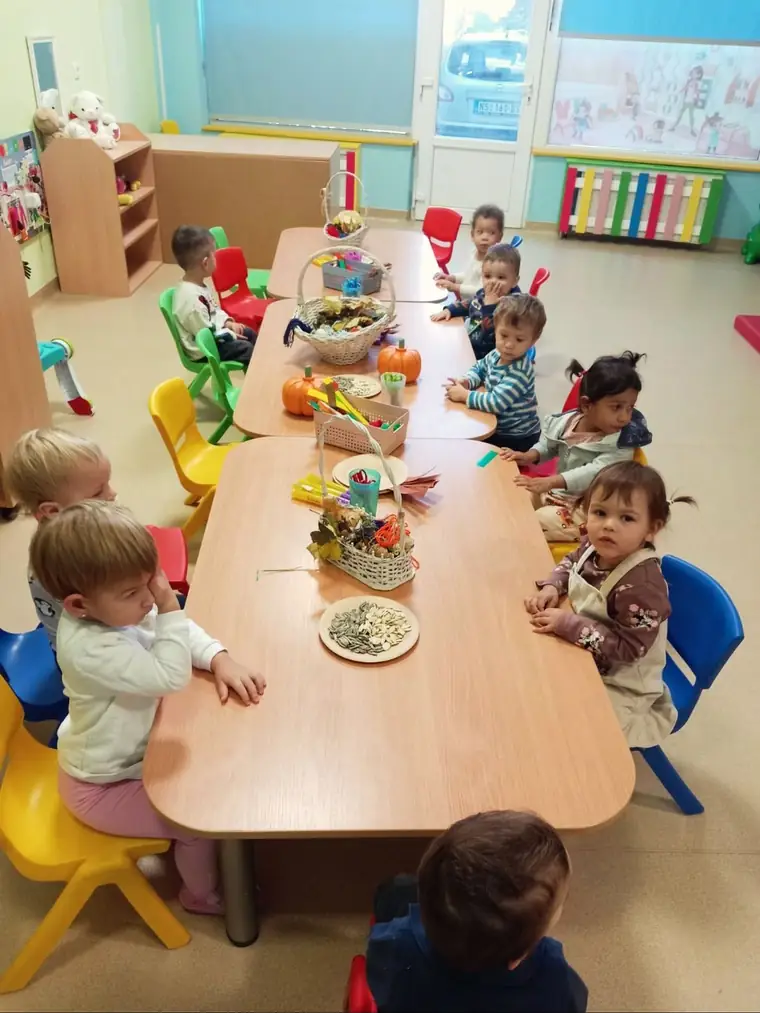
English topics for October: Animals: In my farm, Children of the World, Numbers up to 10 - 20, Goodbye Summer, Hello Fall, Let's wash our hands. For November: Opposites, My body, Left and right, Home sweet home, In the Zoo, animals.
How we teach
Learning through play
Children pick up English naturally and spontaneously through play, movement, music, conversation and everyday activities.
1Listening first
The younger the child, the longer we work by ear. The teacher's live voice is the model a child imitates — the aim is to use the language in real situations, not to memorise it.
2Integrated approach
At this age phrases and pronunciation are picked up most easily by imitation and repetition, through everyday situations rather than by explaining rules.
3Songs and media
Songs, recordings and audio-visual material serve one purpose — to make a child want to speak English.
4Pictures and drama
We use flashcards, wall charts and puppets, and children act out familiar stories — that way a word gains an action.
An English lesson
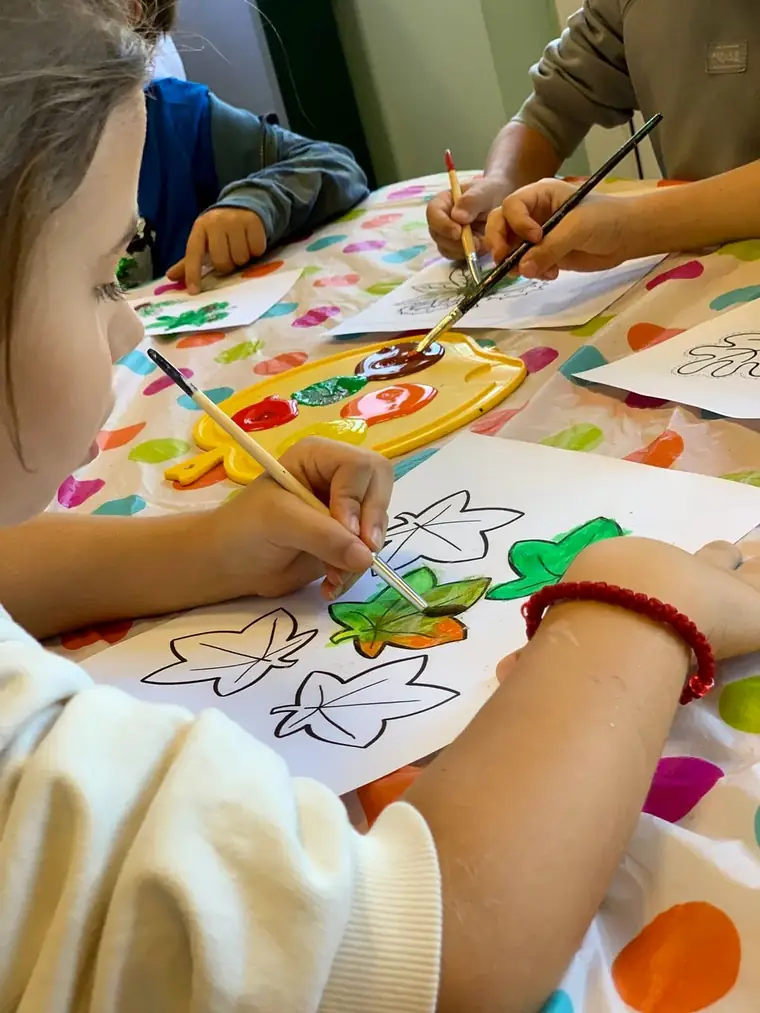
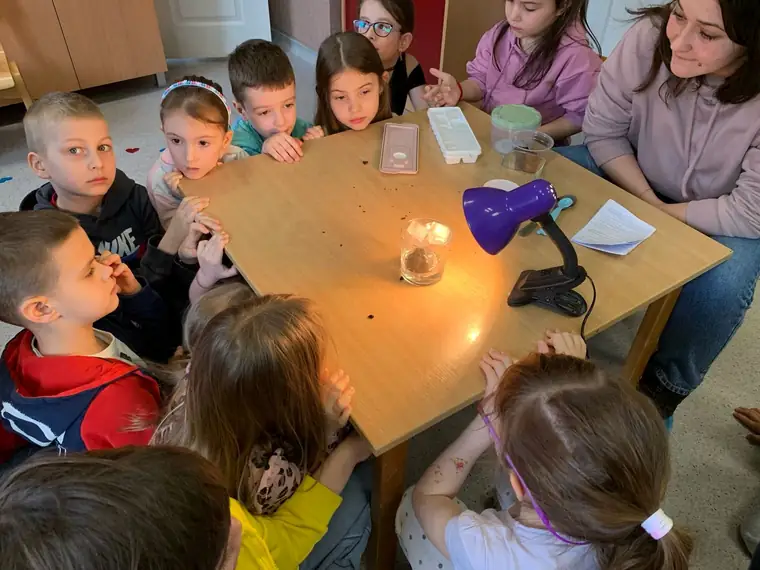
This is what an English class looks like at our kindergarten: picture cards, an English picture book, drawing and a song with movement. The language becomes part of their everyday surroundings, through which children develop understanding, speech and confidence in communication.
A little English. A lot of play. And plenty of discovery.